Japan enacts law to curb eccentric baby names
On Monday (26 May), Japan introduced a new law to discourage parents from giving their children flashy or eccentric names, commonly referred to as “kirakira” names.
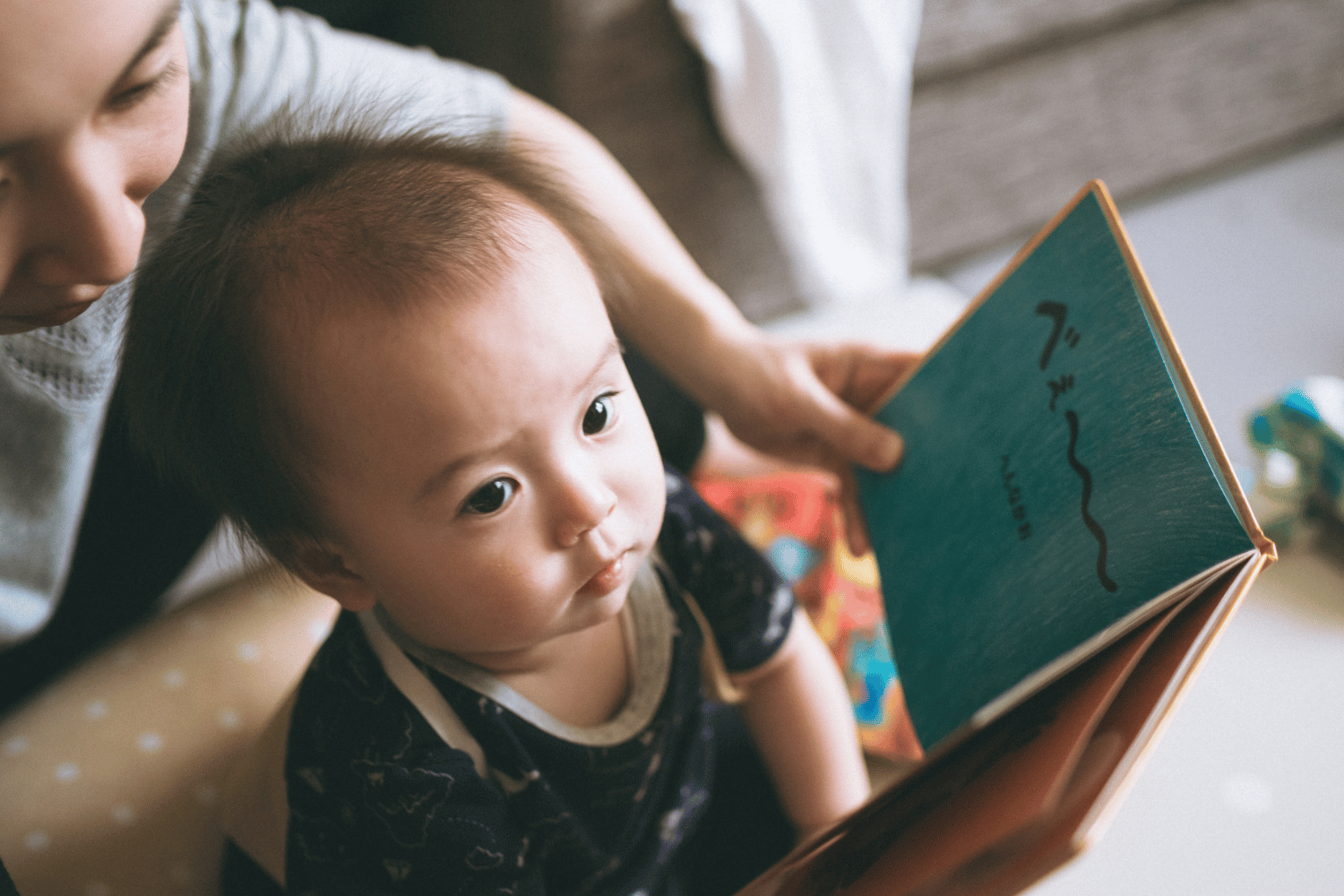
Source: Japan Photos on Canva, for illustration purposes only
The term kirakira, meaning “sparkly” or “glittery” in Japanese, is used to describe names that stand out due to their unconventional readings of kanji characters.
According to The Mainichi, the law will now require that only widely recognised readings of kanji be permitted when naming a child.
Limits on non-standard kanji readings
Under the new regulation, names that use kanji in ways unrelated to their accepted meanings or standard pronunciations will no longer be allowed.
In Japan, names are typically written using kanji — Chinese-origin characters that often have multiple readings and meanings.
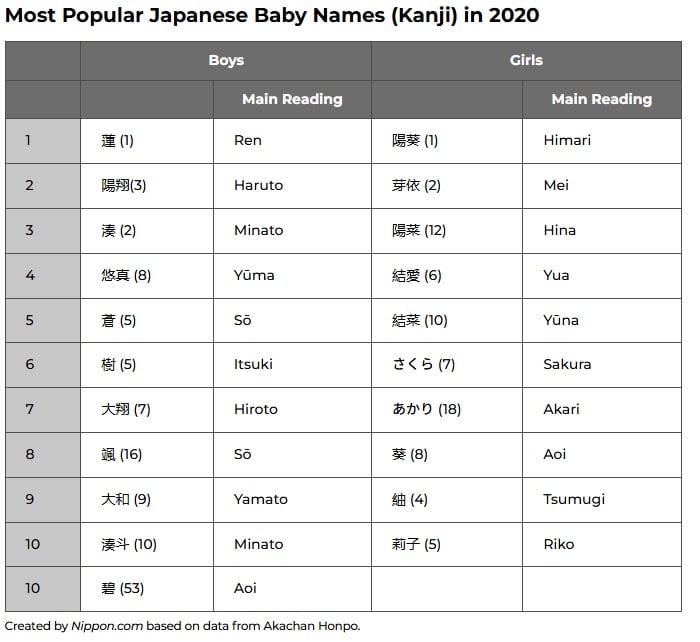
Source: Nippon.com
In an attempt to make their child’s name more distinctive, some parents have opted for unusual or creative readings of these characters.
According to The Guardian, some children have been given names inspired by popular fictional characters such as Pikachu.
A practical move to reduce confusion
While the new law targets flashy names, it also serves a functional purpose.
Unusual name readings have reportedly caused confusion in public institutions such as schools and hospitals, where accurate pronunciation is often critical.
The measure is part of a broader revision to Japan’s family registry act, which now requires all names listed in the national family registry to include phonetic readings.
This amendment will help authorities and institutions quickly identify whether a name carries a non-standard pronunciation.
Parents of newborns may now be asked to clarify the readings of their child’s name. In cases where the reading is deemed too ambiguous or problematic, the matter could be referred to local legal affairs bureaus for review.
Japan’s experience is not unique — countries in the West have also encountered similar logistical issues with unconventional names.
According to the Bristol Post, alternative spellings such as “Jaymz” instead of “James” or “Lil-leigh” instead of “Lily” have raised challenges in both official documentation and everyday interactions.
Also read: M’sian government releases official guide on how not to name your kids
M’sian government releases official guide on how not to name your kids
Have news you must share? Get in touch with us via email at news@mustsharenews.com.
Featured image adapted from bee32 on Canva, for illustration purposes only.