
Jeffrey Siow addresses public concerns over rail reliability in Parliament
Amid growing concerns over recent train disruptions, Acting Minister for Transport Jeffrey Siow responded to 18 parliamentary questions on rail reliability on Monday (22 Sept).
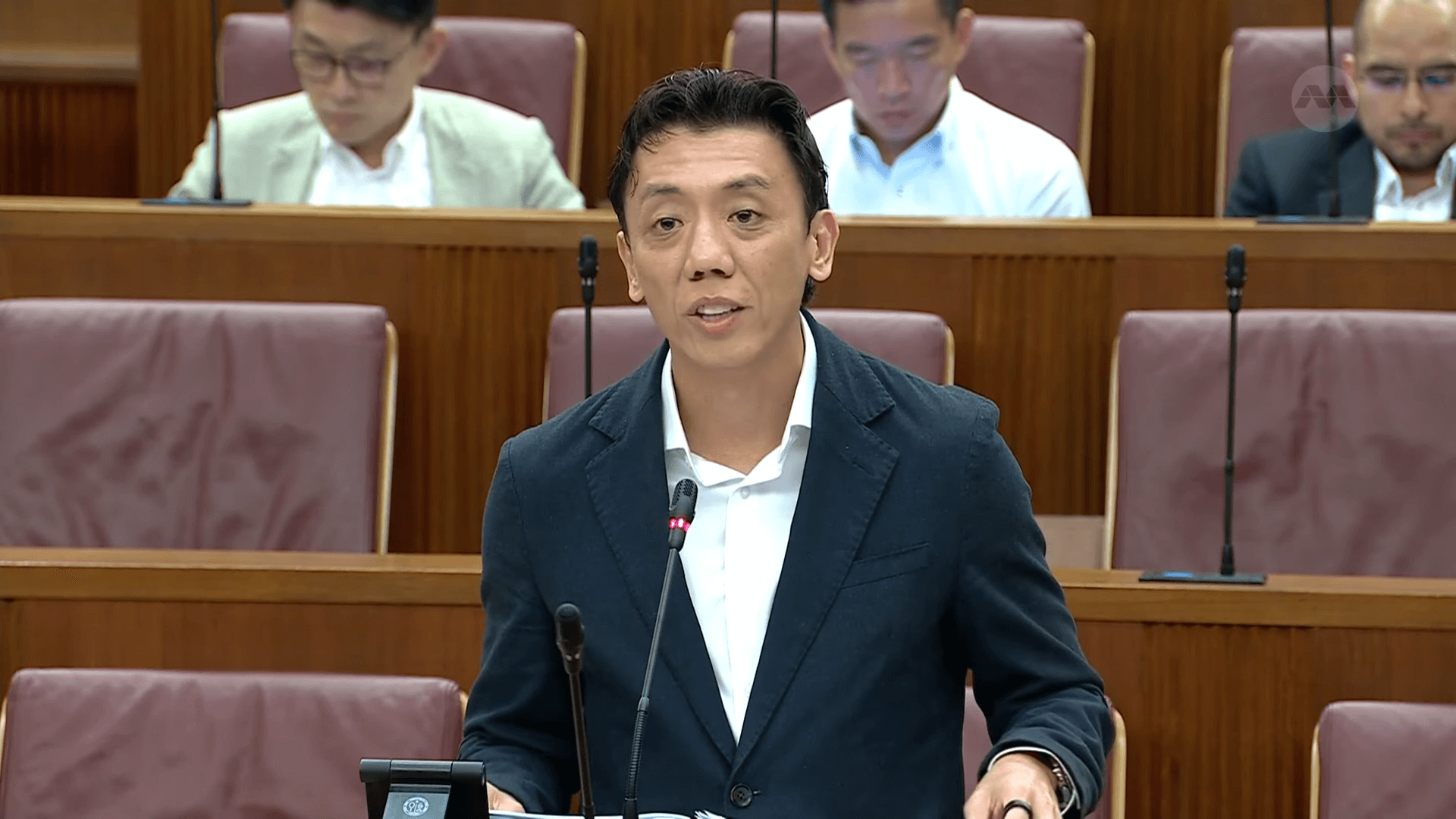
Source: CNA on YouTube
He outlined the current performance of the MRT network, introduced the newly formed Rail Reliability Taskforce, and shared plans to improve the commuting experience.
Rail reliability remains strong but has dipped from recent highs
Mr Siow assured the House that Singapore’s MRT system “remains one of the most reliable in the world”.
The key measure of reliability, mean kilometres between failure (MKBF), currently stands at about 1.7 million train-km for the 12 months leading up to August 2025.
This is well above the 1 million train-km target set in 2017, though slightly lower than the system’s peak performance of over 2 million train-km in 2022 and 2023.
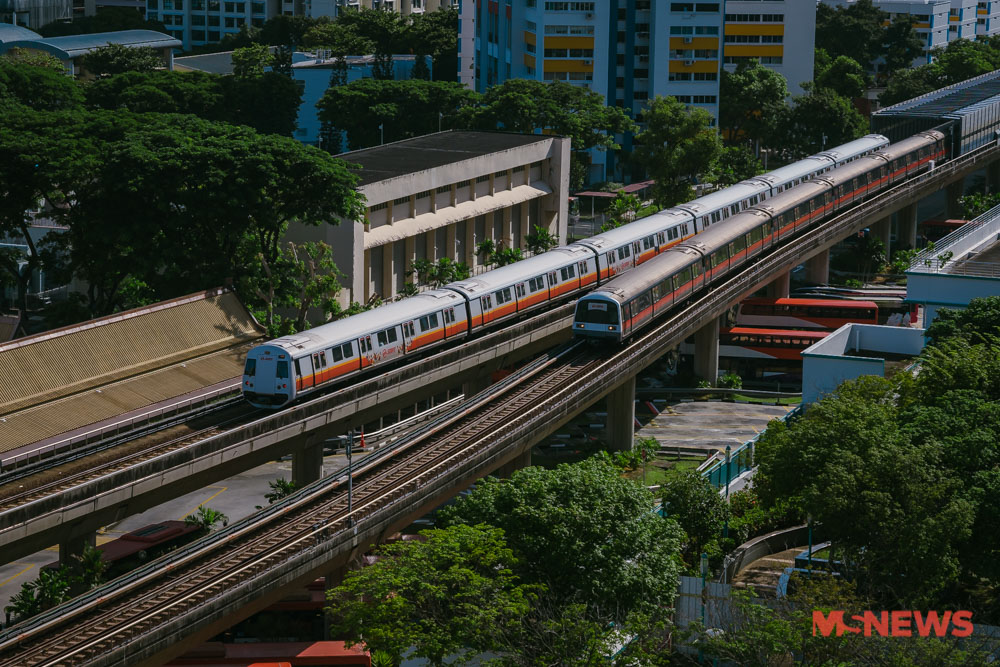
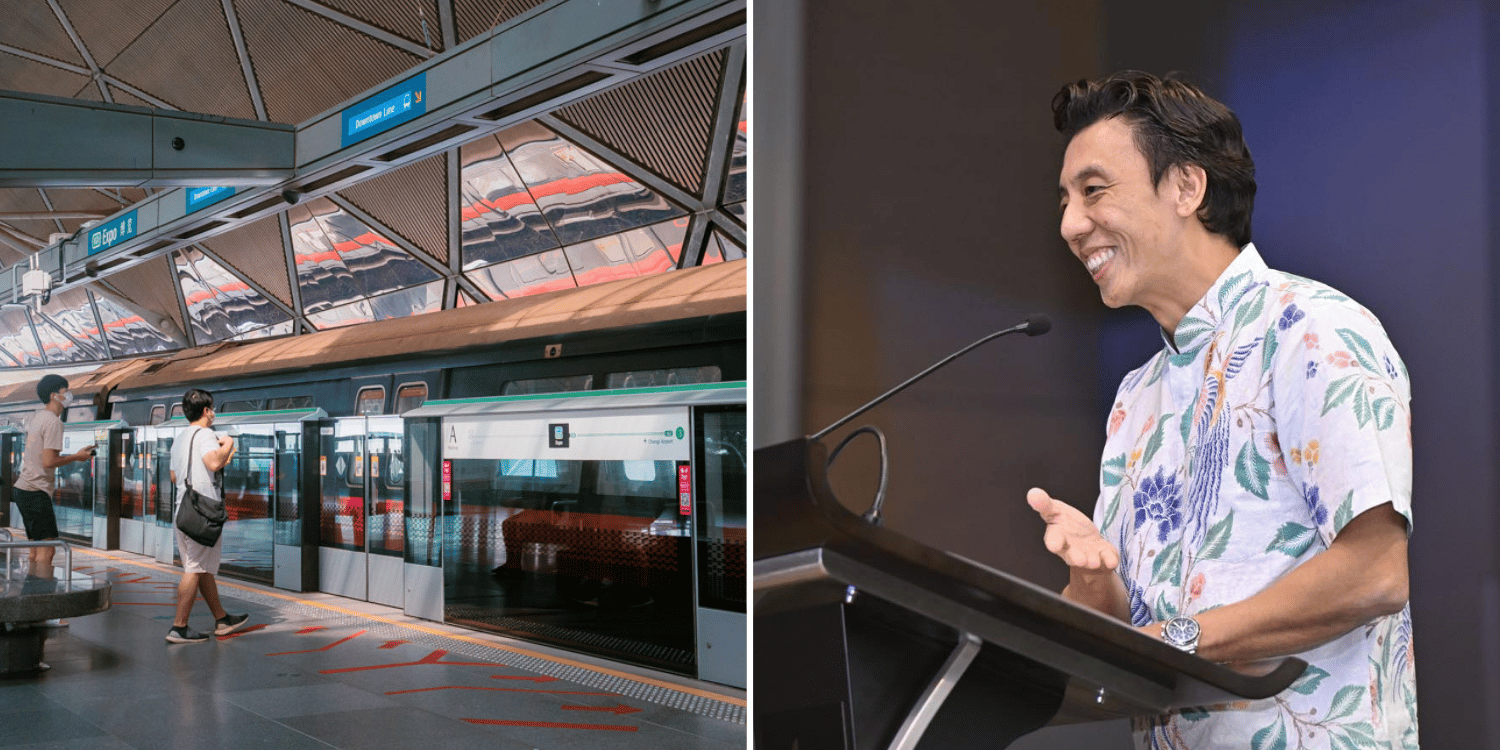
Source: MS News. For illustration purposes only
In terms of international comparisons, Singapore’s MKBF in recent years has been higher than Hong Kong’s MTR, but still below Taipei Metro’s, while overall delay figures are comparable to those in Tokyo and other Japanese cities.
Mr Siow noted that raising the MKBF target further would be “less meaningful”, since the number of annual disruptions is already very low.
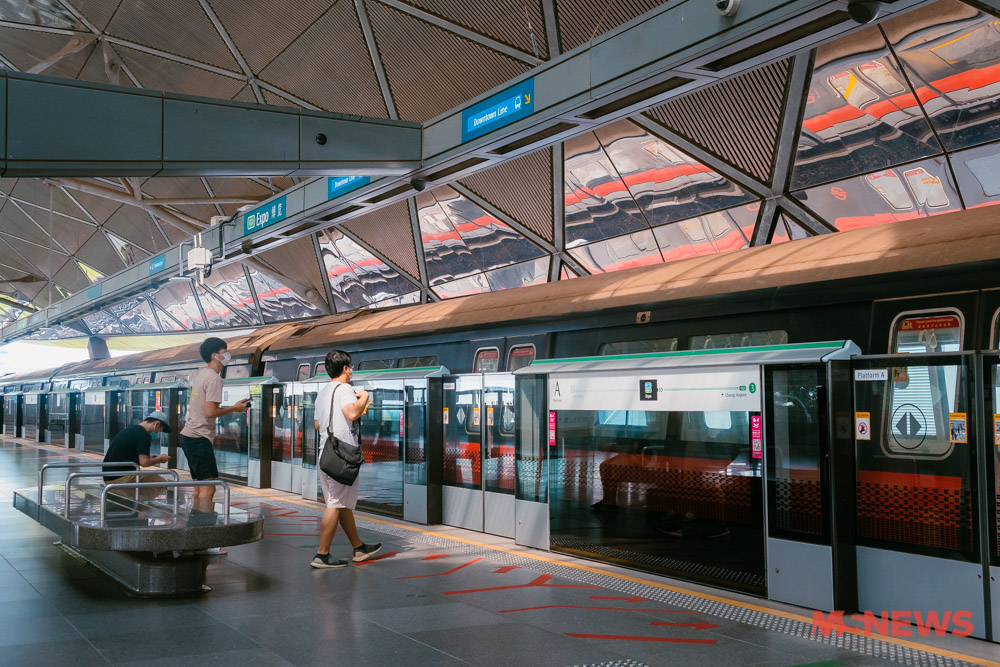
For example, one additional delay on the Downtown Line halved its MKBF from 8 million to 4 million.
He also highlighted a drawback of the MKBF measure: it does not reflect how long a disruption lasts or how badly it affects commuters.
To account for this, the Land Transport Authority (LTA) imposes financial penalties on operators for serious disruptions — an average of about four such penalties per year over the past five years.
Rail Reliability Taskforce & other improvements
Turning to the Rail Reliability Taskforce announced last week, Mr Siow said its role is to “take a harder look to satisfy ourselves that there is no systemic problem”.
The Taskforce, chaired by LTA Chief Executive Ng Lang with the CEOs of SMRT and SBS Transit, will focus on three areas:
- Bringing forward the renewal of critical systems such as power supply and signalling, especially on the North East and Circle Lines
- Conducting joint audits of maintenance and operations, including processes and staff training
- Improving service recovery, so commuters receive clearer, more precise information during a disruption
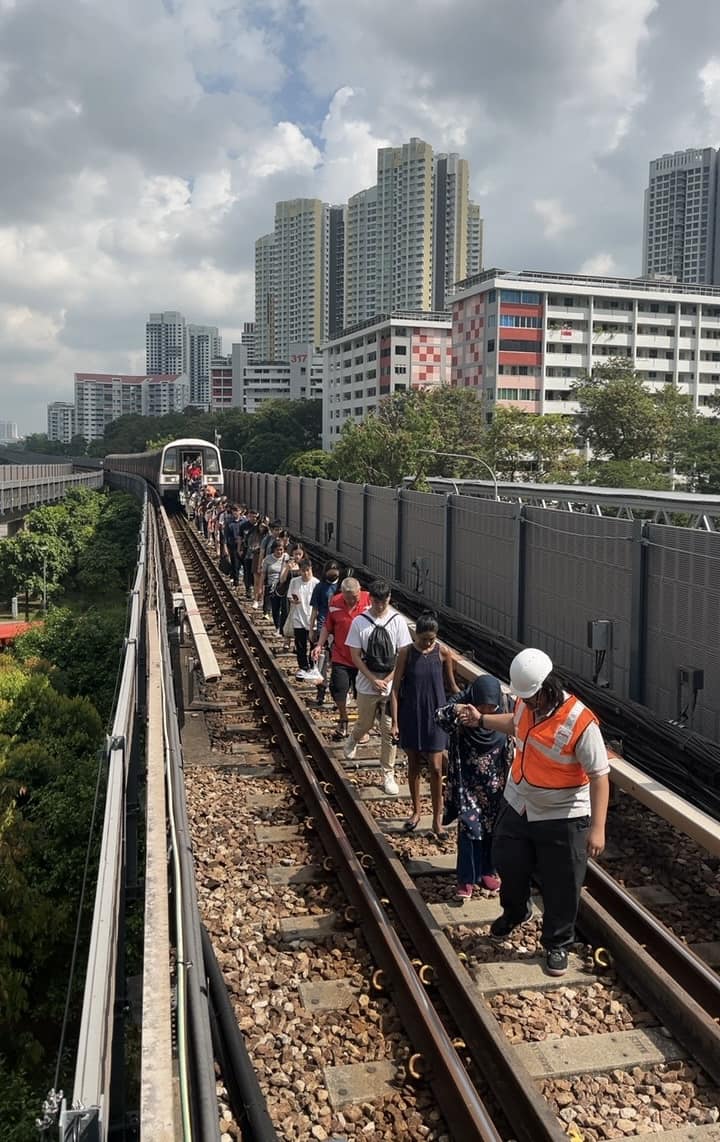
Source: SMRT on Facebook
Currently, operators are required to inform commuters of service delays longer than 10 minutes, and LTA has not had to penalise them for this in the past five years.
Increasing support for commuters during disruptions
However, Mr Siow stressed that this is only a “basic requirement”.
He said more can be done to help commuters, such as providing tailored advice on alternative routes and expected travel time, consolidating updates on a single app, improving directional signs, and empowering staff to respond flexibly on the ground.
Mr Siow concluded by acknowledging the frustrations caused by recent incidents, while assuring commuters that the Government and operators are committed to improving reliability further.
“Train delays happen in every system, in every city,” he said, likening them to phones or computers that need restarting, or cars that break down.
“We want to absolutely minimise disruptions because of the inconvenience to commuters, and we will work doubly hard to do so,” he continued.
“What is equally important is when a disruption inevitably happens, we can support commuters, and guide them on continuing their journeys safely, with their understanding and cooperation.”
Have news you must share? Get in touch with us via email at news@mustsharenews.com.
Featured image by MS News and adapted from Jeffrey Siow on Facebook, for illustration purposes only.