
MS Explains: How concerning is the Nipah virus?
On 27 Jan, authorities in India said they have contained the Nipah virus outbreak in West Bengal with just two confirmed cases and all 196 contacts made by those two cases traced.
Meanwhile, surrounding countries, such as Thailand and Singapore, have strengthened health screening measures to ensure that the outbreak does not spread via travellers arriving from the affected areas.
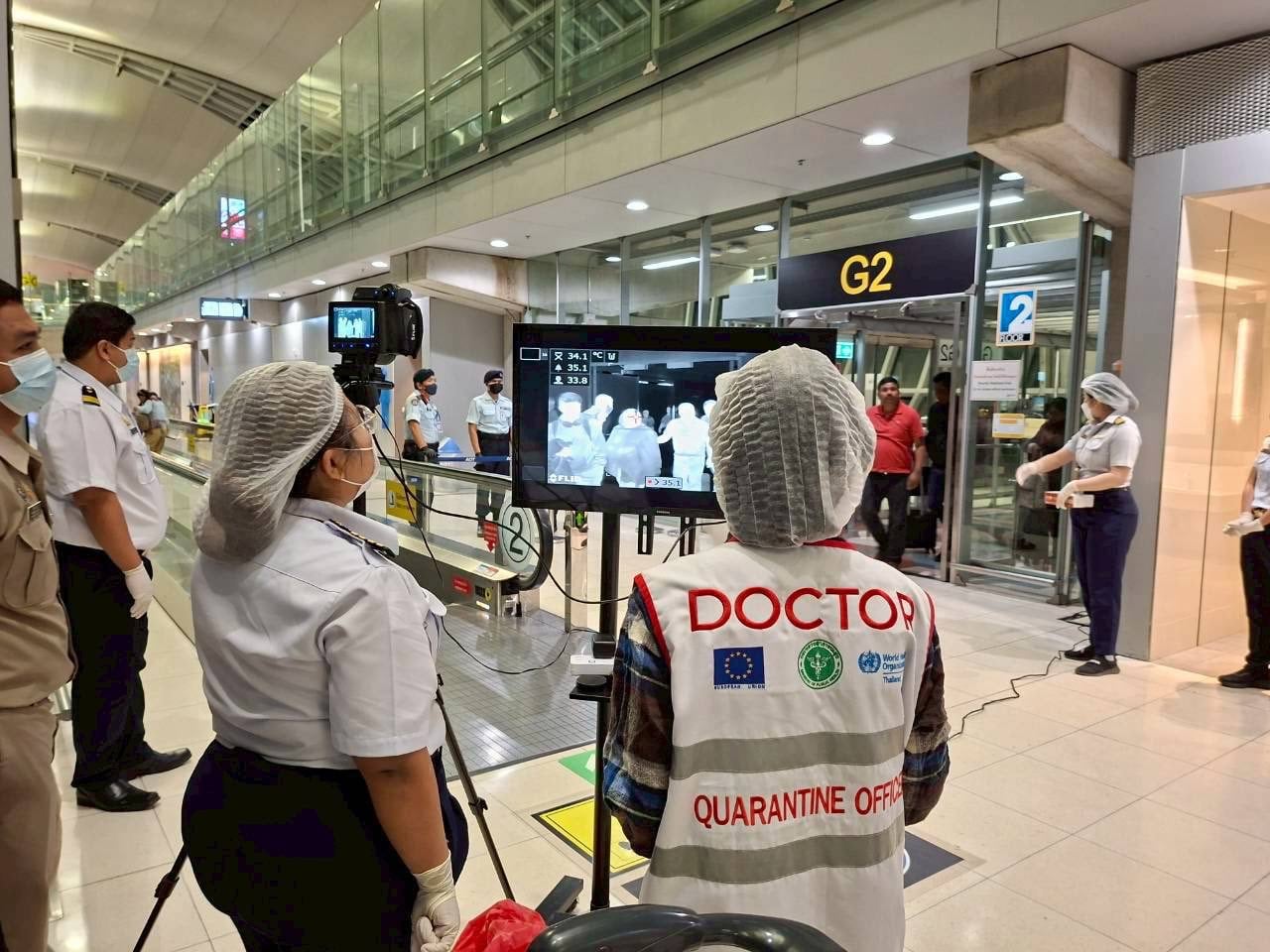
Source: Suvarnabhumi Airport on Facebook
But with an estimated fatality rate of between 40 to 75%, it is natural to be concerned about the virus, even with all the safety and containment measures already set in place.
The best way to settle most of that concern is by knowing more about the Nipah virus, how it spreads, and most importantly, how regular Singaporeans can reduce risk of infection — especially those with travel plans.
What is the Nipah virus?
According to the World Health Organization (WHO), the Nipah virus is a zoonotic virus, meaning that it is transmitted from animals to humans. It is also transmittable through contaminated fruits or even directly between people.
Most common avenues of infection for humans, as evidenced by previous outbreaks, is either through the close contact with infected pigs by farmers or through fruits eaten by bats — the natural hosts of the Nipah virus.
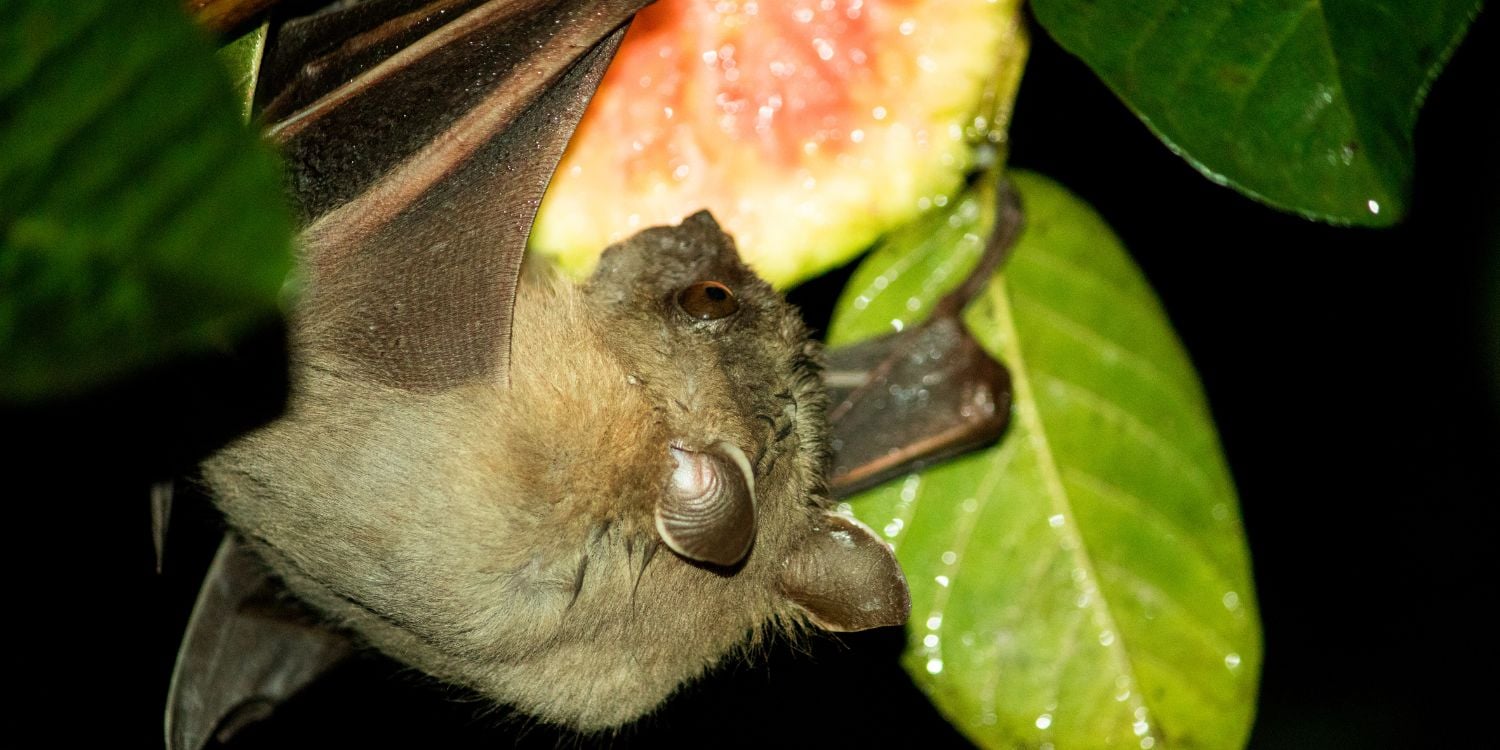
Source: Iceclimber on Canva. Image is for illustration purposes only.
Human-to-human transmission is often the result of close contact with secretions and excretions, especially in healthcare situations.
As for symptoms, infections can range from asymptomatic to difficulty breathing and even life-threatening brain inflammation.
After an incubation period of between four to 21 days, infected individuals begin experiencing flu-like symptoms. These can include fever, headaches, muscle pain, and more.
In severe cases, patients can also experience brain inflammation and seizures. This often develops around three to 21 days after initial symptoms and can lead to the patient falling into a coma.
Long-term effects of this can include persistent seizures as well as personality changes. In some cases, symptoms may even return months or years later.
How is it treated?
Unfortunately, there are currently no drugs or vaccines for the Nipah virus. WHO recommends intensive supportive care for those experiencing severe respiratory and neurologic symptoms.
The disease is currently listed as an epidemic threat that urgently needs research and development for treatments and vaccines.
Source: TrueCreatives on Canva. Image is for illustration purposes only.
What can individuals do to prevent contracting the disease?
Because of a lack of treatment, reducing exposure is the best way to prevent getting infected.
The Communicable Diseases Agency (CDA) recommends that travellers, who are on their way to areas where the disease is present, avoid contact with animals — especially bats and pigs — and steer clear of bat roosting areas.
They are also recommended to avoid consuming raw or partially fermented date palm sap, as this is what bats frequently feed on. If one is to consume date palm juice, boiling it first is best.
Any fruit meant for consumption should also be thoroughly washed, and preferably peeled, before eating.
Additionally, travellers should avoid any fruit discarded on the ground, partially eaten by animals, or those with bat feeding marks.

Source: Aflo Images on Canva. Image is for illustration purposes only.
Individuals are strongly encouraged to avoid close contact with anyone infected.
If such a situation occurs, they should thoroughly wash their hands afterwards.
Should symptoms start to show, the CDA advises individuals to promptly visit their doctor for medical attention and to also inform them of the recent travel plans as well as any exposure to bats, pigs, sick individuals, or date palm sap.
What is Singapore doing to prevent the outbreak from spreading here?
In a 28 Jan press release, the CDA outlines several measures taken by Singapore to prevent the Nipah virus from entering the country.

Source: Changi Airport on Facebook
These include temperature screening travellers arriving to Singapore from affected areas.
The Ministry of Manpower (MOM) is also increasing surveillance of newly arrived migrant workers from South Asia.
If there are any new developments, the CDA says it is ready to introduce additional measures to ensure public health. At the time of writing, Singapore has zero reported cases.
While it has a high fatality rate, thus far the Nipah virus has not shown signs of becoming a pandemic. However, the lack of treatment for the disease still makes it an urgent concern.
For regular Singaporeans, it is best to simply remain cautious and avoid traveling to affected areas while also keeping proper hygiene.

Source: Now Boarding by Changi Airport
On 30 Jan, the Ministry of Foreign Affairs (MFA) released a travel advisory for Singaporeans travelling to West Bengal.
It advises individuals to keep up to the date with the latest local developments and to take all necessary health precautions.
They should also purchase “comprehensive travel and medical insurance”, and to eRegister with MFA before departure.
In case of emergencies, the ministry may contact them via details provided in the registration.
A brief history of the Nipah virus
According to CDA, this marks the seventh outbreak of the virus in India since 2001. Bangladesh, which borders India to the east, also experiences one outbreak nearly annually.
The Indian state of West Bengal, which is where the current outbreak is occurring, sits at that border.
The virus itself was first identified in an outbreak in 1999 in Malaysia. It gets its name from the village, Kampung Baru Sungai Nipah, where it was first isolated.
In that initial outbreak, there were 105 deaths. Additionally, pig farms in the area were also devastated.
A massive culling of swine was conducted to prevent further spread of the disease.
The disease had also spread to Singapore, where one person died after handling infected pigs.
Since then, outbreaks have mostly been confined to the South Asian region.
–
Singaporeans in India who require consular assistance may contact the following:
High Commission of the Republic of Singapore in New Delhi
Address: E-6 Chandragupta Marg, Chanakyapuri, New Delhi 110021
24 hour duty mobile phone: +91-981-020-3595
Landline: +91-11-4600-0800
Email: singhc_del@mfa.sg
Consulate-General of the Republic of Singapore in Chennai
9th floor, Prestige Polygon, Anna Salai, Teynampet, Chennai 600035, Tamil Nadu, India
24hour duty mobile phone: +91-984-003-3136
Landline:+91-44-2432-0050
Email: singcon_maa@mfa.sg
Consulate-General of the Republic of Singapore in Mumbai
152, 14th Floor, Maker Chambers IV, 222, Jamnalal Bajaj Road
Nariman Point, Mumbai 400-021
24hour duty mobile phone: +91-829-103-2836
Landline: +91-22-6150-2900
Email: singcon_bom@mfa.sg
Ministry of Foreign Affairs Duty Office (24 hr)
Address: Tanglin, Singapore 248163
Tel: +65 6379 8800/8855
Fax: +65 6476 7302
Email: mfa_duty_officer@mfa.gov.sg
Also read: How deadly is Influenza A, the ‘common’ disease that killed Barbie Hsu?
MS Explains: How deadly is Influenza A, the ‘common’ disease that killed Barbie Hsu?
Have news you must share? Get in touch with us via email at news@mustsharenews.com.
Featured image adapted from Iceclimber on Canva and Suvarnabhumi Airport on Facebook. Left image is for illustration purposes only.