
83% of Singapore companies have not implemented workplace changes in response to higher costs, says SNEF poll
A snap poll by the Singapore National Employers Federation (SNEF) has found that 96% of companies in Singapore are grappling with higher operating costs amid the ongoing energy crunch.
Despite this, most companies (83%) have not made manpower changes to adapt to the rising costs.
The poll surveyed 210 firms across sectors, including manufacturing, services, and construction.
Companies feeling pressures of high operating costs
Among respondents, 36% reported a slight increase in costs of between 1% and 10%, while 41% saw moderate increases of 11% to 25%.

A further 19% experienced significant cost hikes exceeding 25%.
Utilities and fuel were the most affected cost components, both cited by 70% of respondents. This was followed by materials and supplies (59%) and air and sea freight (53%).
SNEF noted that rising energy prices are having a “knock-on effect” on businesses, driving up costs across supply chains and logistics.
“Beyond direct increases in utilities and fuel expenses, businesses were also facing higher costs for raw materials, supplies, and logistics,” SNEF explained in its release.

Image by MS News. For illustration purposes only.
Meanwhile, more than half (53%) of the respondents reported being concerned about rising manpower costs.
Companies in the hospitality, Food and Beverage (F&B), and retail sectors have also reported “upward pressure” on temporary labour costs.
Majority yet to implement workplace changes
Despite these pressures, 83% of companies said they have not made changes to their workplace or workforce in response to rising costs.
SNEF said this suggests that employers are prioritising operational adjustments before implementing measures that directly impact employees.
Among the 17% that have made changes, the most common measures include hiring freezes or delayed expansion plans (67%).
Other steps taken include staff redeployment or cross-training (33%), as well as headcount reductions through natural attrition (33%).
Some firms have also reduced bonuses, allowances, or benefits (25%), and cut work hours, overtime, or shifts (19%).

Source: charliepix on Canva. Image for illustration purposes only.
“These are largely calibrated responses aimed at managing costs while preserving jobs,” SNEF said.
Employers call for more support amid uncertain outlook
Employers are calling for targeted support measures, including cost relief for businesses, energy subsidies, and delays to manpower policy changes that may add further cost pressures.
At the same time, companies remain cautious about the outlook, with 39% expecting business conditions to worsen over the next six to 12 months.
Key concerns include disruptions to global trade, shifting supply chains, and more cautious investment decisions.
SNEF CEO Koh Juan Kiat said the federation welcomes existing government support, but urged policymakers to take into account current economic conditions when rolling out further manpower policy changes.
Have news you must share? Get in touch with us via email at news@mustsharenews.com.
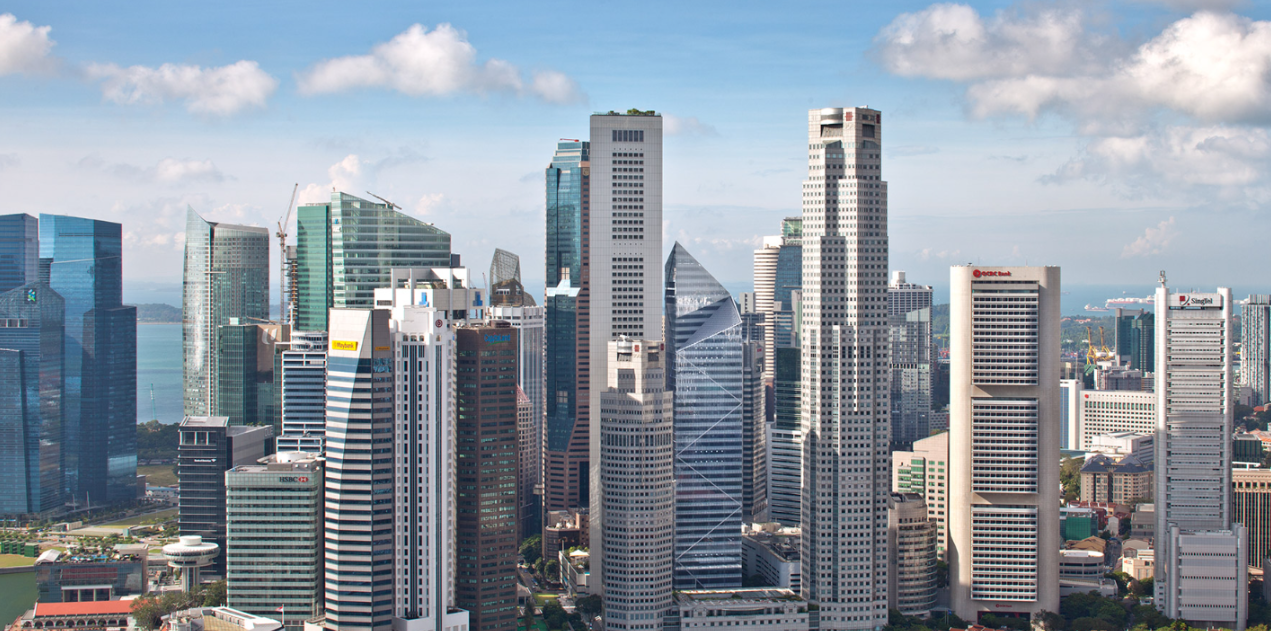
Featured image adapted from One Raffles Place.