
Most overqualified workers in Singapore are ‘voluntarily overqualified’, according to MOM and NTUC studies
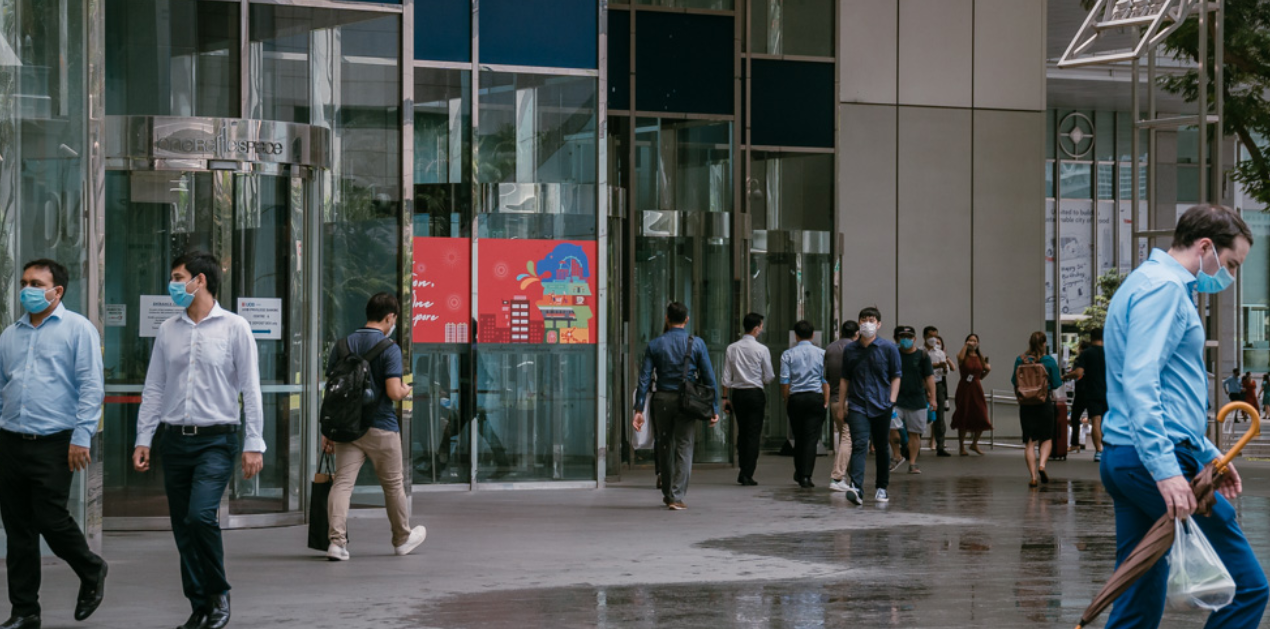
Nearly one in five workers in Singapore were overqualified for their jobs in 2025 — but most did so by choice.
According to studies by the Ministry of Manpower (MOM) and the National Trades Union Congress (NTUC), the majority of these workers are “voluntarily overqualified”.
In a statement on 14 April, MOM said many are opting for roles that better suit their lifestyle and personal priorities.
This includes taking on less demanding jobs, working fewer hours, or focusing on family and personal interests.
More Singaporeans are highly educated
Overall, Singapore’s overqualification rate of 19.4% remains below the average overqualification rate seen among other high-income countries (21.6%).
“The findings reflect evolving work arrangements, including increased demand for flexibility and remote work, as well as the emergence of new career pathways,” the authorities said.
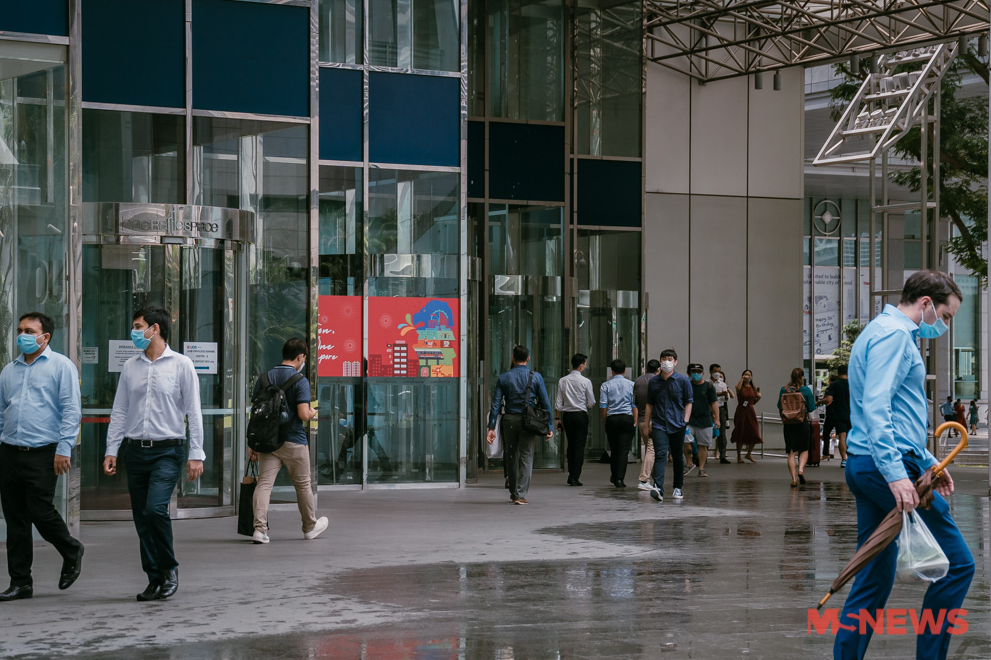
The result comes as Singapore’s workforce becomes increasingly educated.
The share of tertiary-educated workers rose from 51.6% in 2015 to 64.0% in 2025, significantly higher than the 41.2% average in other high-income countries.
Despite this, overall employment outcomes remain “favourable”, suggesting the labour market is still absorbing graduates well.
Skills matter more than qualifications
The studies also found that employers place greater emphasis on skills and experience rather than paper qualifications.
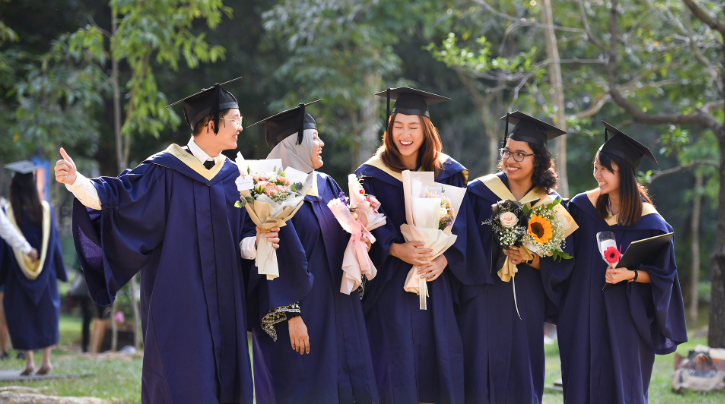
Source: NUS News
When hiring, relevant experience (48.2%) and skills (20.1%) were prioritised over formal education.
This means being “overqualified” does not necessarily put job seekers at a disadvantage.
“Differences between workers’ qualifications and job requirements do not necessarily translate into hiring disadvantages,” MOM added.
Mismatch still an issue in some roles
However, some mismatches remain.
According to the studies, the majority of underemployment is due to an education-field mismatch at 31.4%, a qualification-job mismatch at 23.0%, a skills-job mismatch at 22.5%, and a qualification-occupation mismatch at 20.3%.
At the same time, employers are struggling to fill specialised roles, particularly for Professionals, Managers, Executives and Technicians (PMETs).

Source: nuttapong punnas images on Canva. For illustration purposes only.
“The share of PMET vacancies unfilled for at least six months rose from 14.4% in 2024 to 16.0% in 2025,” MOM said.
Employers are also reportedly struggling with filling roles that require specialised technical expertise, such as data scientists, teaching and training professionals, and civil engineers.
Ongoing efforts to support workforce
To address these gaps, the Government continues to offer upskilling programmes through Workforce Singapore and SkillsFuture.
These include Career Conversion Programmes (CCPs) and the SkillsFuture Career Transition Programme (SCTP).
They aim to help workers stay relevant and reduce both voluntary and involuntary overqualification.
Authorities said they will continue to monitor trends to ensure the labour market remains flexible and inclusive as workforce needs evolve.
Also Read: Fewer fresh graduates from local universities found full-time work in 2025, according to survey
Fewer fresh graduates from local universities found full-time work in 2025, according to survey
Have news you must share? Get in touch with us via email at news@mustsharenews.com.
Featured image adapted from MS News.