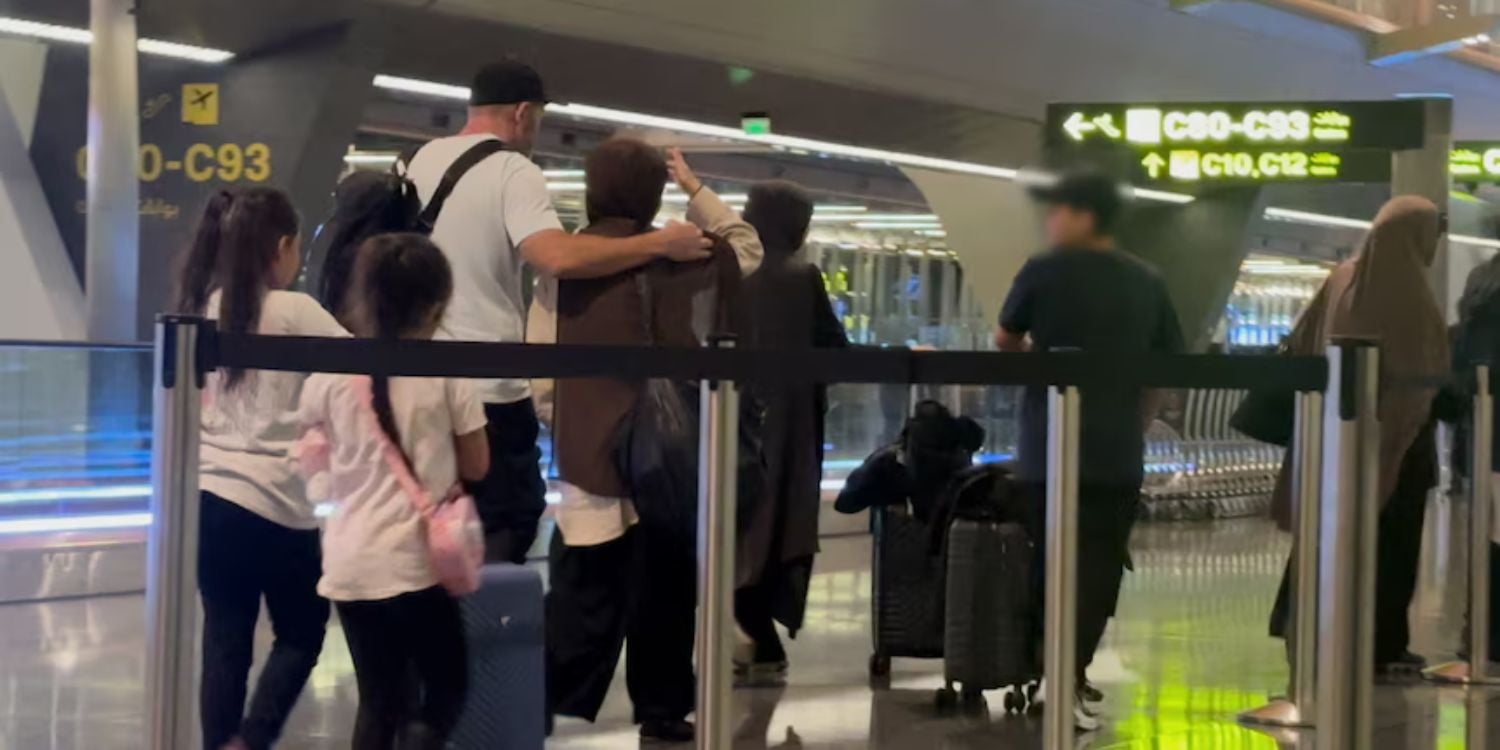

Wives and children of ISIS fighters begin arriving in Sydney and Melbourne
A group of women and children linked to Islamic State in Iraq and Syria (ISIS) fighters have begun arriving in Australia, more than six years after they were taken to refugee camps in Syria.
One group landed at Melbourne Airport shortly before 5.30pm local time on Thursday (7 May), while another woman and her child arrived in Sydney about 15 minutes later, ABC News reported.
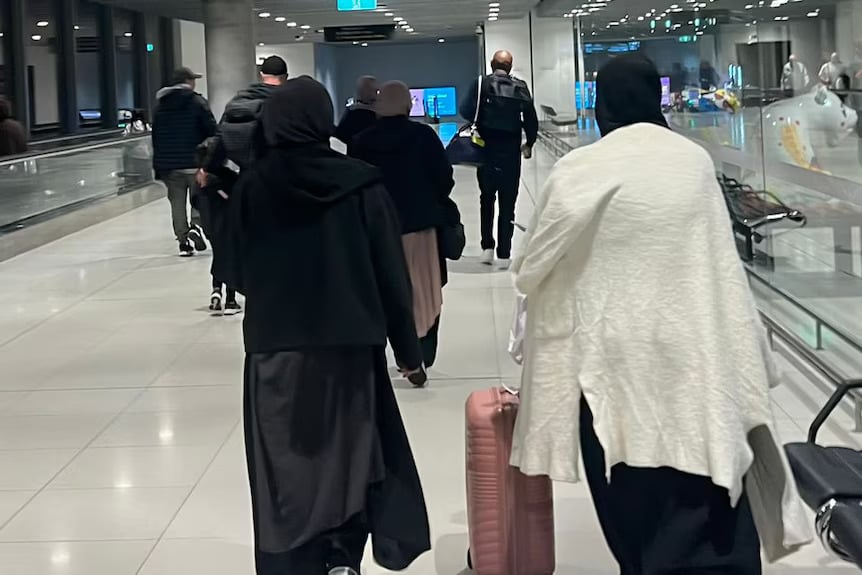
Source: ABC News
The group, which reportedly comprises four women and nine children, had left the Al Roj camp in northern Syria on 24 April and was understood to have been staying in Damascus before booking flights back to Australia this week.
Some of the women may be arrested upon arrival and charged with terror-related offences.
Their return comes amid uncertainty over the fate of thousands of people held in camps in northern Syria, which house families of men suspected of ISIS affiliations.
Human Rights Watch had earlier warned that the fate of about 8,500 people in the camps remained unclear.
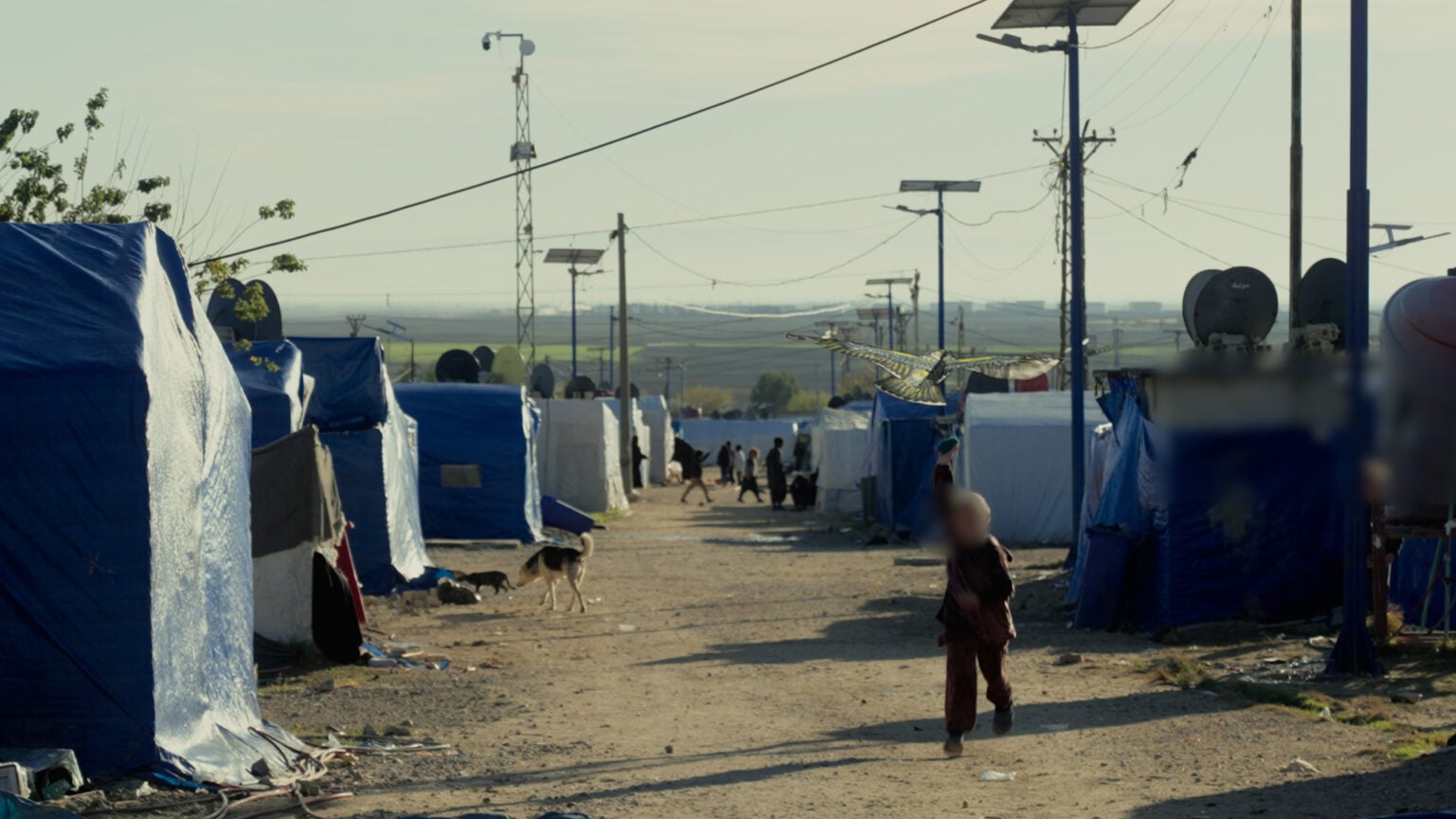
Source: Balkan Investigative Reporting Network
Some women may be charged with terror offences and crimes against humanity
The Australian Federal Police (AFP) has been investigating the women, described by some politicians and media outlets as “ISIS brides”, for more than a decade.
Federal police confirmed that some of the women would be arrested and charged after returning to Australia.
AFP Commissioner Krissy Barrett said the possible charges could include terror offences, such as entering or remaining in declared areas, as well as crimes against humanity offences, including engaging in slave trading.
Investigations into some of the women are also expected to continue after their return to Australia.
Those found to have committed crimes could face penalties of up to 10 years’ imprisonment.
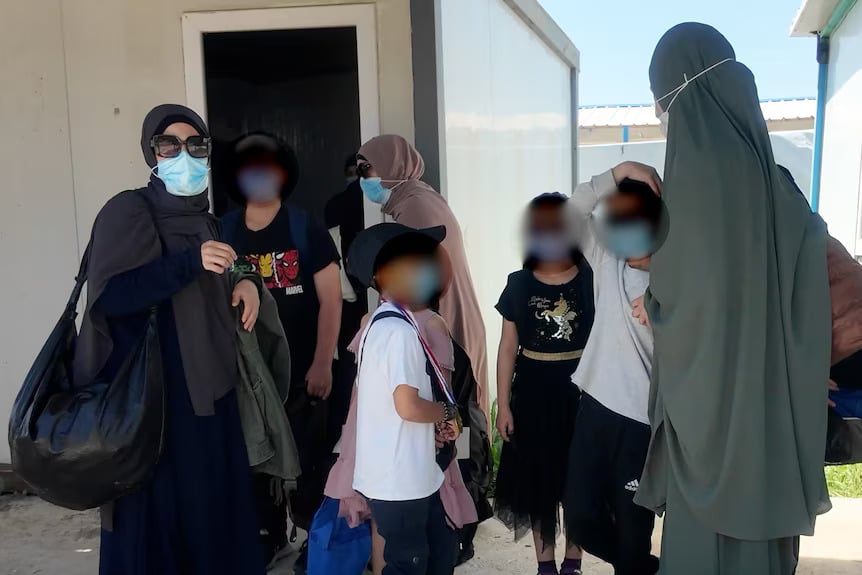
Source: ABC News
The women are said to have travelled to Syria more than a decade ago, when ISIS was attempting to establish a self-declared caliphate and carrying out brutal executions.
However, advocates for the group said that while some women travelled to support their spouses fighting for ISIS, others may have been trafficked or forced to go to the Middle East to keep their families together.
Government says it did not repatriate the Australian citizens
The Australian government has clarified that it did not repatriate the families or assist in their return.
“They made an appalling, disgraceful decision,” said Home Affairs Minister Tony Burke.
Australian Prime Minister Anthony Albanese and senior government ministers have also reportedly criticised the returning women, saying they made a horrific choice to join a terrorist organisation.
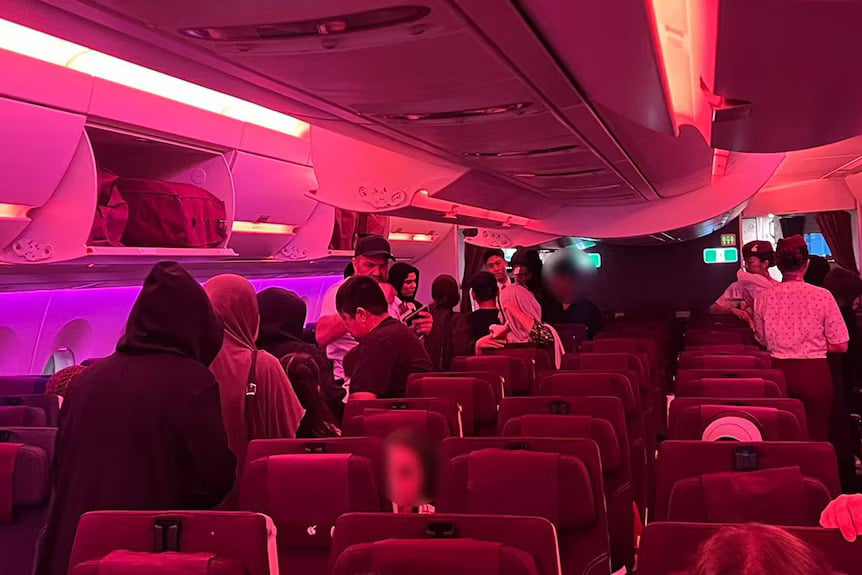
Source: ABC News
However, all the women and children are Australian citizens and hold Australian passports.
Australian officials have said that while they would not help the ISIS-linked families return home, they did not have the power to stop them.
The government also had to provide them with passports, while authorities assisted with DNA checks to verify their identities ahead of their return.
According to ABC News, 21 Australians are still believed to remain in the Al Roj camp in north-eastern Syria.
One woman still in the camp is reportedly subject to a Temporary Exclusion Order, which can restrict a person from travelling to Australia for up to two years.
Children to undergo deradicalisation programmes
Before boarding their flight in Doha, Qatar, some of the women reportedly told ABC News they were looking forward to returning home.
One woman said they simply wanted their children to be safe, describing life in Syria as “hell” for them.
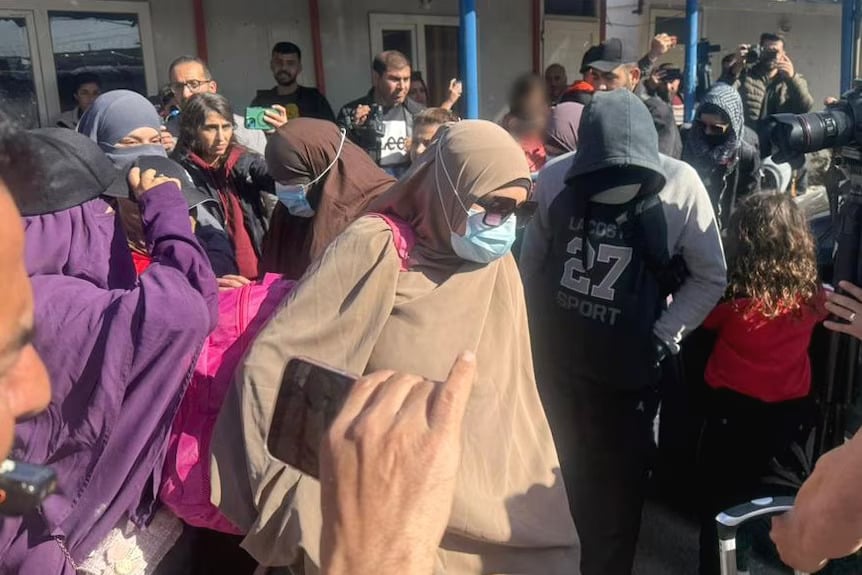
Source: ABC News
Australia’ Special Envoy to Combat Islamophobia, Aftab Malik, urged Australians not to unfairly target Muslim Australians over the case.
He also called for due process, while saying compassion should be extended to the children, who were born into extremely difficult circumstances and should be recognised as innocent.
The children, including those whose mothers may face criminal proceedings, are expected to receive support through deradicalisation programmes and guidance from experts such as psychologists and social workers.
Peta Lowe, former director of countering violent extremism in the New South Wales Department of Justice, said helping the children feel safe in their communities, schools, and society would be important for public safety.
Authorities will also determine where the children will be placed and which family members they will live with.
Have news you must share? Get in touch with us via email at news@mustsharenews.com.
Featured image adapted from ABC News.